
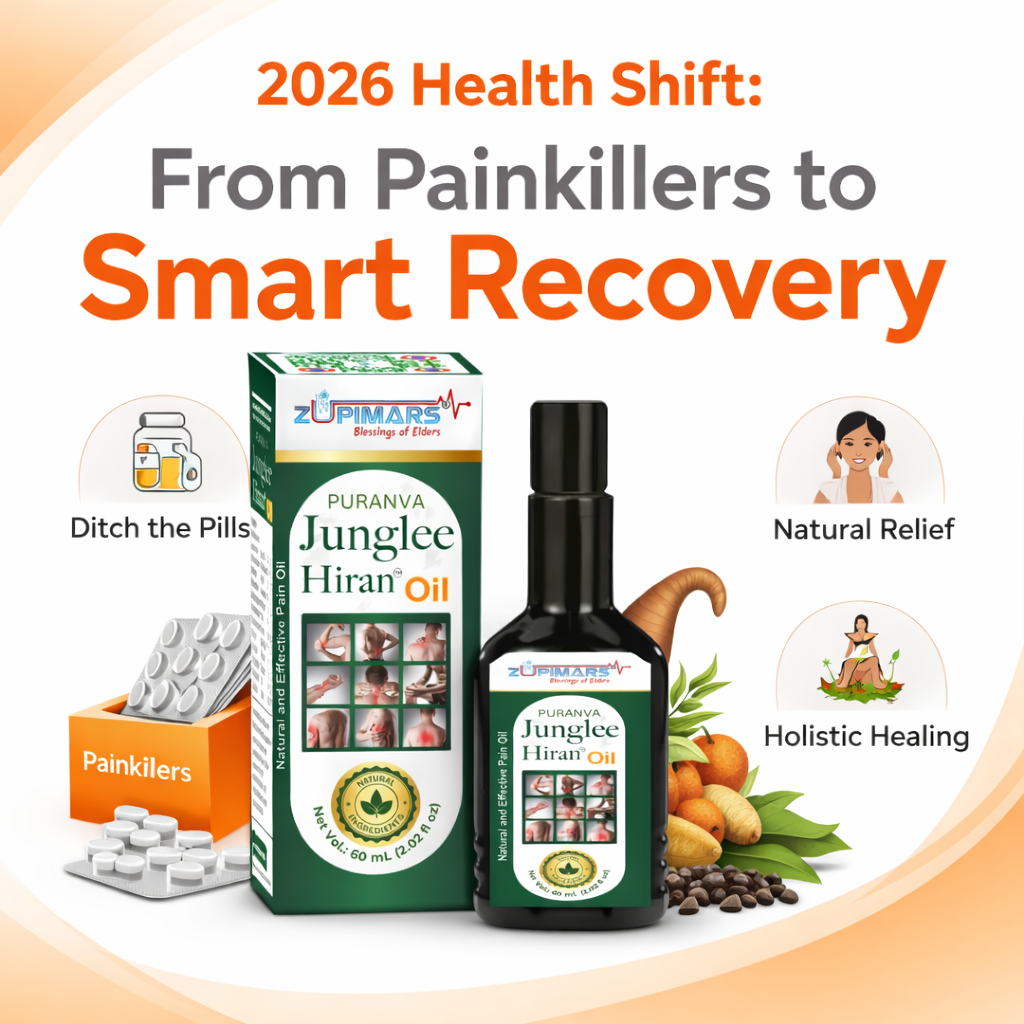
The 2026 Health Shift: Why Smart Recovery Matters More Than Painkillers
Quick Insight: Health awareness is evolving rapidly. Instead of chasing quick relief, people are increasingly looking for smarter ways to support natural recovery. The focus is shifting from simply suppressing pain signals to helping the body restore balance and mobility.
Modern life moves quickly. Work schedules are demanding, screen time is increasing, and physical activity often fluctuates between long sitting hours and sudden bursts of exercise. While our environment has changed dramatically, the human body still follows the same biological rules it always has.
One of the most important signals the body sends is pain.
Pain is not just discomfort—it is communication. It tells us that muscles may be strained, joints may be stressed, or tissues need recovery. In 2026, this understanding is shaping a new wellness mindset known as Smart Recovery.
The Quick-Fix Culture and Its Limitations
For many years, people treated pain as an inconvenience that should disappear as quickly as possible. When stiffness or soreness appeared, the immediate reaction was to search for the fastest possible solution.
While fast relief may temporarily reduce discomfort, it does not always address the underlying cause of muscle tension or joint strain.
This approach can create a repeating cycle where discomfort disappears briefly but returns again because the body has not fully recovered.
As wellness awareness grows, people are beginning to ask a different question:
“How can I help my body recover naturally?”
Understanding Pain as a Biological Signal
The human nervous system constantly communicates with the brain. When muscles become tight or joints experience stress, specialized receptors send signals to indicate that something needs attention.
This signal acts as a protective mechanism designed to prevent further strain.
Instead of ignoring this message, many wellness experts now recommend supporting the body through recovery-focused practices such as stretching, massage, heat therapy, and circulation-enhancing techniques.
These approaches aim to restore balance rather than simply masking discomfort.
Why Topical Recovery Solutions Are Growing in Popularity
One of the most noticeable health trends emerging in 2026 is the increased use of topical recovery solutions.
Unlike oral approaches that pass through the digestive system, topical oils and balms are applied directly to the area where comfort is needed.
This localized method allows individuals to focus attention on specific muscles or joints through gentle massage and targeted care.
Many people prefer topical approaches because they easily integrate into everyday wellness routines.
- They can be applied directly to the affected area
- They encourage relaxation through massage
- They complement stretching and physical therapy
- They support daily body-care rituals
This explains why herbal oils have remained an important part of traditional wellness systems for centuries.
The Role of Herbal Oils in Natural Recovery
Across many traditional health practices, herbal oils have long been used to support joint flexibility and muscle comfort. These oils are typically infused with plant extracts known for their warming, soothing, or circulation-supporting properties.
When combined with gentle massage, herbal oils may help relax tight tissues and improve mobility after physical exertion.
Modern formulations now combine this traditional knowledge with contemporary understanding of muscle recovery.
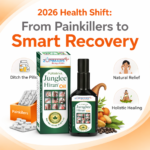
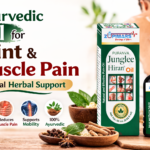
A Modern Approach: Puranva Junglee Hiran Oil
An example of this modern recovery philosophy is Puranva Junglee Hiran Oil.
This topical formulation is designed to support muscle comfort and joint flexibility through external application. When used during massage, herbal oils like these can become part of a broader recovery routine that includes movement, stretching, and relaxation.
The goal is not to override the body’s signals, but to support the body while it restores balance naturally.
Why 2026 Marks a Turning Point in Wellness Thinking
Consumers today are more informed than ever before. They research ingredients, evaluate long-term health impacts, and prefer wellness solutions that align with preventive care.
This shift is creating strong interest in recovery-focused practices that emphasize mobility, circulation, and muscle relaxation.
- daily mobility
- muscle recovery
- joint flexibility
- natural wellness rituals
What Is Your Personal Recovery Ritual?
Do you rely on massage, stretching, herbal oils, yoga, or another recovery routine? Share your personal ritual with the Zupimars wellness community.
The Future of Pain Relief: Recovery-First Thinking
The most important health insight emerging this decade is that sustainable wellness rarely comes from quick fixes. Instead, it grows from habits that support recovery and maintain long-term mobility.
Listening to the body, allowing time for recovery, and incorporating supportive therapies can help maintain flexibility and physical comfort over time.
Topical herbal oils, stretching routines, mobility exercises, and massage therapy all play a role in this evolving recovery-first mindset.
Conclusion
The health mindset of 2026 is shifting toward a deeper understanding of the body’s natural signals. Pain is not simply a nuisance to silence—it is a message that encourages attention and care.
By supporting the body through thoughtful recovery practices and natural wellness solutions, individuals can build sustainable habits that protect long-term mobility and comfort.
Smart recovery is more than a trend. It represents a new way of thinking about everyday health.


[…] — where pain is treated as a signal, not suppressed — is essential. As explained in our Smart Recovery approach to natural pain relief, combining internal supplementation with external recovery practices improves overall joint […]
[…] Learn more about this integrated approach in our Smart Recovery guide. […]
[…] Smart Recovery approach focuses on combining internal and external support for better long-term […]