
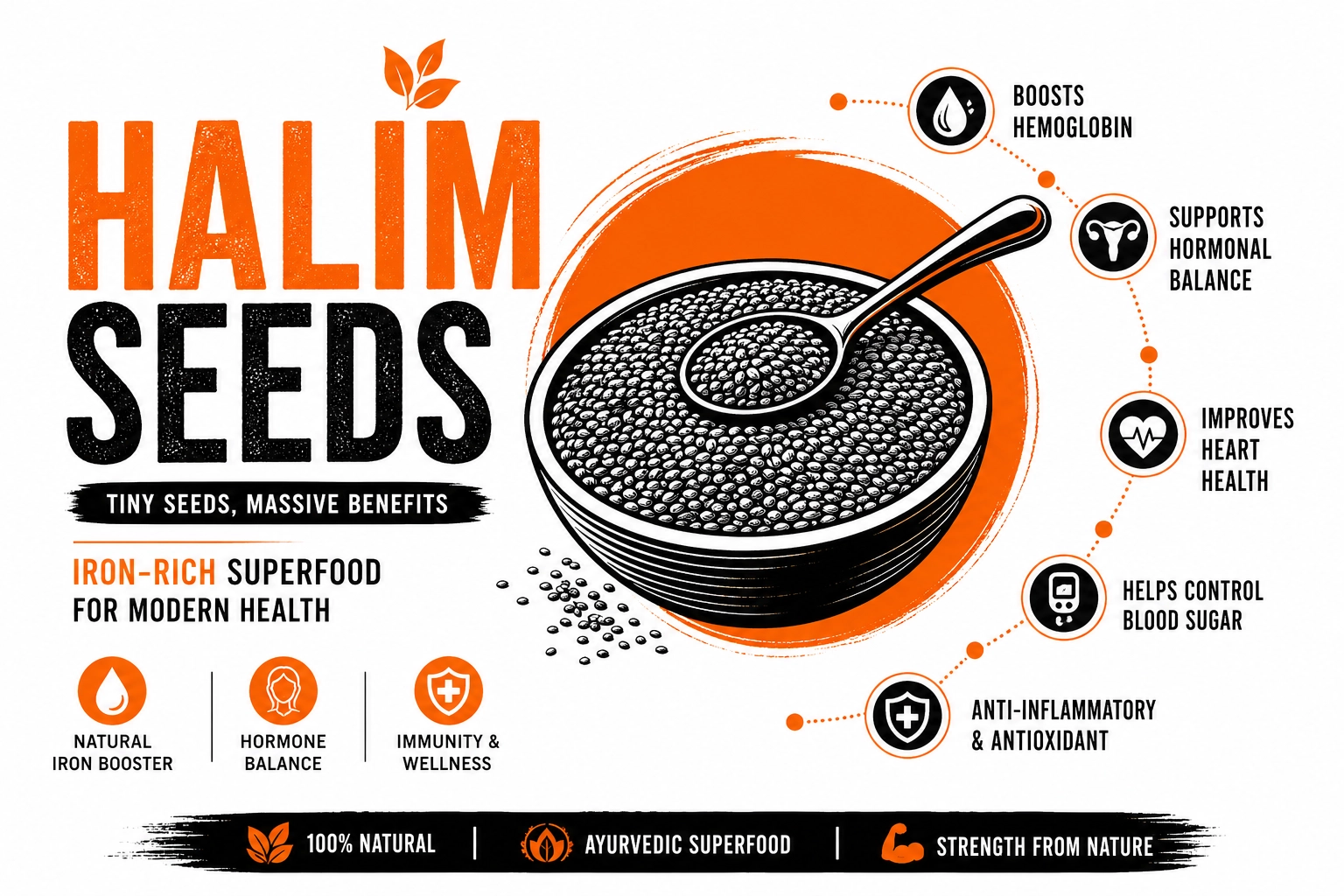
The wellness landscape of 2026 is defined by a return to ancient wisdom backed by cutting-edge nutritional science. At the forefront of this movement are Halim Seeds, also scientifically known as Lepidium sativum, and colloquially referred to as Garden Cress seeds or Chandrashoor. While they have been a staple in Ayurvedic and Middle Eastern medicine for centuries, modern clinical research has recently catapulted these tiny red seeds into the global spotlight.
Whether you are seeking to optimize your metabolic rate, combat iron deficiency, or enhance your respiratory function, Halim seeds offer a potent, bioavailable source of macro and micronutrients. In this comprehensive, research-backed guide, we will explore the molecular benefits of Halim seeds, dissect the latest 2026 nutritional data, and provide actionable, modern protocols for integrating this superfood into your daily regimen.
1. The Nutritional Supremacy of Halim Seeds
To understand the profound physiological impact of Halim seeds, we must first analyze their structural composition. Unlike many contemporary dietary supplements that isolate single compounds, Halim seeds provide a synergistic matrix of vitamins, minerals, and essential fatty acids. The seeds are functionally classified as a functional food—meaning they provide benefits beyond basic nutritional provision.
Macronutrient Profile (Per 100g)
- 🔥 Calories: 454 kcal
- 💪 Protein: 25g (High bioavailability)
- 🥑 Fats: 24g (Rich in Omega-3 Linolenic Acid)
- 🌾 Carbohydrates: 33g
- fib Dietary Fiber: 11g
Micronutrient Powerhouse
- 🩸 Iron: 100mg (Exceptionally high)
- 🦴 Calcium: 377mg
- 🛡️ Vitamin C: 69mg
- 👁️ Vitamin A: 346 mcg
- 🧬 Folate: 80 mcg
One of the most fascinating aspects of Halim seeds, verified by recent nutritional assays, is their intrinsic biological design. Plant-based iron (non-heme iron) notoriously suffers from low absorption rates in the human gastrointestinal tract. However, Halim seeds naturally contain high levels of Ascorbic Acid (Vitamin C). Vitamin C acts as an electron donor, reducing ferric iron (Fe3+) to ferrous iron (Fe2+), which is highly absorbable. This evolutionary pairing makes Halim seeds one of the most efficient plant-based iron sources available on the planet.
2. Evidence-Based Health Benefits (2026 Research)
A. Eradicating Anemia and Boosting Hemoglobin
Iron-deficiency anemia remains a paramount global health crisis. Symptoms range from chronic fatigue and cognitive brain fog to compromised immune function and hair loss. Halim seeds serve as a concentrated, natural therapeutic intervention. Consuming just one tablespoon (approx. 12 grams) of Halim seeds yields approximately 12 milligrams of iron. This meets a substantial portion of the Recommended Dietary Allowance (RDA) for adult women and entirely fulfills the RDA for men.
According to research published in the National Institutes of Health (NIH) database, regular consumption of Lepidium sativum significantly elevates serum ferritin and hemoglobin levels within a 6-to-8-week window, outperforming several synthetic iron supplements which often cause gastrointestinal distress, such as constipation and nausea.
B. Respiratory Health and Bronchodilation
The seeds contain active phytochemicals that exhibit bronchodilatory properties, making them highly effective for respiratory maintenance. The mucilage found in the seed coat, combined with unique alkaloids, helps clear the respiratory tract, soothe inflamed bronchial tubes, and mitigate the severity of asthma attacks. In the post-2020 era, where lung health and pulmonary resilience are top priorities, integrating Halim seeds acts as a preventative strategy against environmental pollutants and seasonal allergens.
C. Hormonal Balance and Menstrual Health
Halim seeds are rich in dietary phytoestrogens—plant-based compounds that mimic the function of estrogen in the human body. This makes them a critical ally for women’s health. For women experiencing irregular menstrual cycles (oligomenorrhea) or amenorrhea, the emmenagogue properties of Halim seeds stimulate pelvic blood flow and encourage the onset of menstruation. Furthermore, they are extensively utilized in postpartum recovery. As a galactagogue, they stimulate the anterior pituitary gland to secrete prolactin, significantly enhancing breast milk production in nursing mothers.
3. The Metabolic Edge: Weight Management & Gut Health
In 2026, the focus on weight management has shifted from restrictive calorie counting to optimizing the gut microbiome and stabilizing blood glucose. Halim seeds excel in this paradigm due to their complex carbohydrate structure and mucilaginous fiber.
When soaked in water, Halim seeds undergo a physical transformation, developing a gel-like outer layer similar to chia or basil seeds. This soluble fiber acts as a prebiotic, feeding beneficial gut flora (such as Bifidobacteria and Lactobacilli). As these bacteria ferment the fiber, they produce short-chain fatty acids (SCFAs) like butyrate, which reduce systemic inflammation and improve insulin sensitivity.
Moreover, the expansion of these seeds in the stomach activates stretch receptors, sending satiety signals to the hypothalamus via the vagus nerve. This dramatically reduces caloric intake in subsequent meals, making them an unparalleled tool for sustainable fat loss.
4. Synergistic Superfood Stacking: Halim meets Chia
To maximize physiological optimization, functional medicine practitioners advocate for “superfood stacking”—combining various seeds to create a complete spectrum of amino acids, antioxidants, and lipids. While Halim seeds are the undisputed champions of Iron and Folate, integrating them with other seeds can exponentially increase their cardiovascular and metabolic benefits.
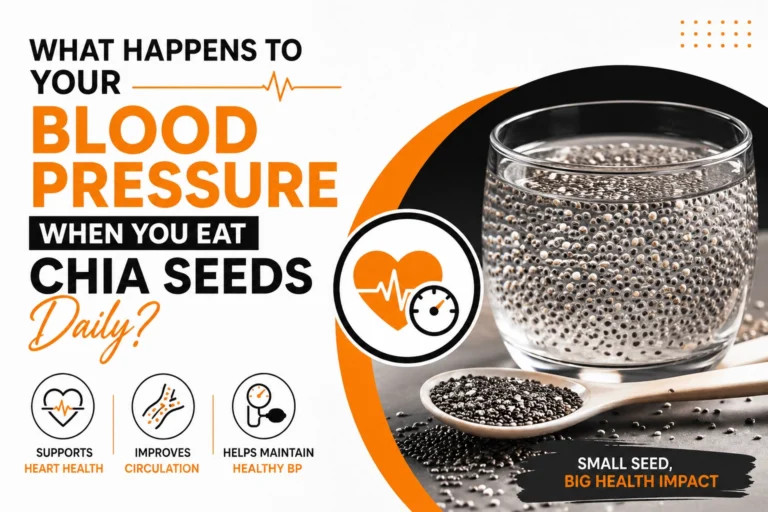
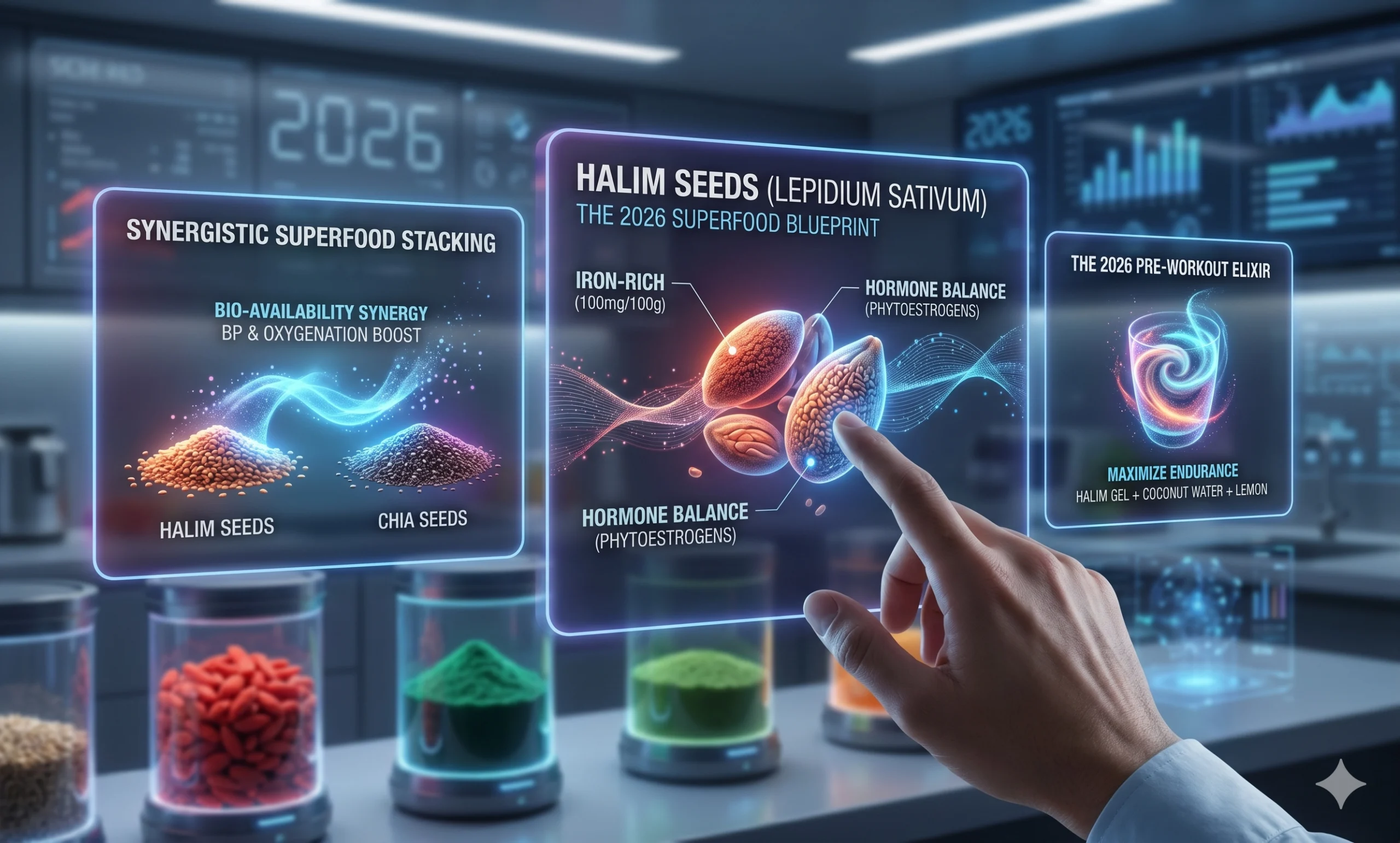
For example, exploring the daily effects of chia seeds on blood pressure reveals that the high concentration of chlorogenic acid and potassium in chia perfectly complements the hematological benefits of Halim. By mixing a teaspoon of Halim seeds with a tablespoon of chia seeds in your morning hydration routine, you simultaneously fortify your blood oxygen carrying capacity while optimizing endothelial function and arterial elasticity. This dual-action protocol is one of the most effective non-pharmacological methods for supporting systemic cardiovascular health.
5. How to Consume Halim Seeds: Modern AI-Vibe Recipes
The traditional method of consuming Halim involves soaking them in water or milk. However, modern culinary techniques have evolved to incorporate these nutritional powerhouses into daily life seamlessly without compromising their delicate fatty acid profiles.
🧪 The 2026 Pre-Workout Elixir
Enhance endurance and oxygen delivery to muscle tissues.
- 1 tsp Halim seeds (soaked overnight)
- 250ml Coconut water (for electrolytes)
- 1 tbsp freshly squeezed lemon juice (extra Vitamin C)
- A pinch of Himalayan pink salt
Instructions: Mix vigorously and consume 30 minutes before cardiovascular or resistance training.
🧬 Iron-Fortified Cacao Energy Spheres
A bioavailable snack for overcoming afternoon fatigue.
- 2 tbsp Halim seeds (dry roasted lightly)
- 1 cup Medjool dates (pitted)
- 1/2 cup walnuts (Omega-3s)
- 2 tbsp raw Cacao powder (Antioxidants)
Instructions: Pulse in a food processor until a dough forms. Roll into 1-inch spheres and refrigerate. Consume 1-2 daily.
6. Phytochemical Profiling and Antioxidant Capacity
Oxidative stress is the primary driver of cellular senescence (aging) and chronic metabolic diseases. Recent studies cataloged by the World Health Organization (WHO) highlight the importance of dietary antioxidants in preventing DNA damage. Halim seeds contain a robust array of phenolic compounds, flavonoids, and phytosterols.
Key antioxidants isolated from Lepidium sativum include:
- Quercetin: A potent flavonoid that neutralizes free radicals and modulates the immune system’s histamine response, providing anti-allergy benefits.
- Kaempferol: Known for its neuroprotective properties, supporting cognitive longevity and protecting the brain against oxidative degradation.
- Glucosinolates: Sulfur-containing compounds that upregulate the liver’s Phase II detoxification enzymes, assisting the body in eliminating environmental toxins and heavy metals.
The high concentration of Vitamin E (Tocopherol) in the seed’s lipid fraction also protects cell membranes from lipid peroxidation, contributing to vibrant skin health and reduced dermatological aging.
7. Safety Profile, Dosage, and Contraindications
While Halim seeds are remarkably beneficial, the 2026 approach to nutrition emphasizes precision and bio-individuality. More is not always better. The active compounds in Halim require mindful dosing.
⚠️ Crucial Safety Parameters
- Pregnancy Warning: Due to their emmenagogue (uterine-stimulating) properties, Halim seeds are strictly contraindicated during the early and middle stages of pregnancy, as they may induce premature uterine contractions. They are only recommended postpartum.
- Goitrogenic Activity: Like many members of the Brassicaceae family (cabbage, broccoli), raw Halim seeds contain mild goitrogens, which can interfere with iodine absorption in the thyroid gland. Individuals with clinical hypothyroidism should consume them in moderation and preferably roasted, as heat deactivates goitrogenic compounds.
- Optimal Dosage: Clinical consensus dictates that 12 to 15 grams (approximately 1 to 1.5 tablespoons) per day is the optimal therapeutic threshold. Exceeding this may lead to gastrointestinal discomfort due to the dense fiber and mucilage content.
8. The Environmental and Sustainable Impact
In addition to their physiological benefits, Halim seeds align perfectly with the 2026 ethos of sustainable, regenerative agriculture. As a highly resilient crop, Lepidium sativum requires significantly less water than conventional cereal grains and grows rapidly in diverse soil conditions without the need for synthetic nitrogen fertilizers. For the eco-conscious consumer, integrating Halim seeds is not just an investment in personal cellular health, but a vote for sustainable, low-impact global food systems. Further insights into sustainable crop nutrition can be found through platforms like ScienceDirect.
Conclusion: Your 2026 Superfood Blueprint
Halim seeds represent the pinnacle of functional nutrition—a dense, unadulterated source of vitality. By intelligently incorporating this ancient seed into modern dietary frameworks, we can effectively combat iron deficiency, support endocrine function, and elevate our baseline metabolic health. Remember to utilize synergy by stacking them with complementary superfoods, respecting clinical dosages, and prioritizing consistency over intensity.