

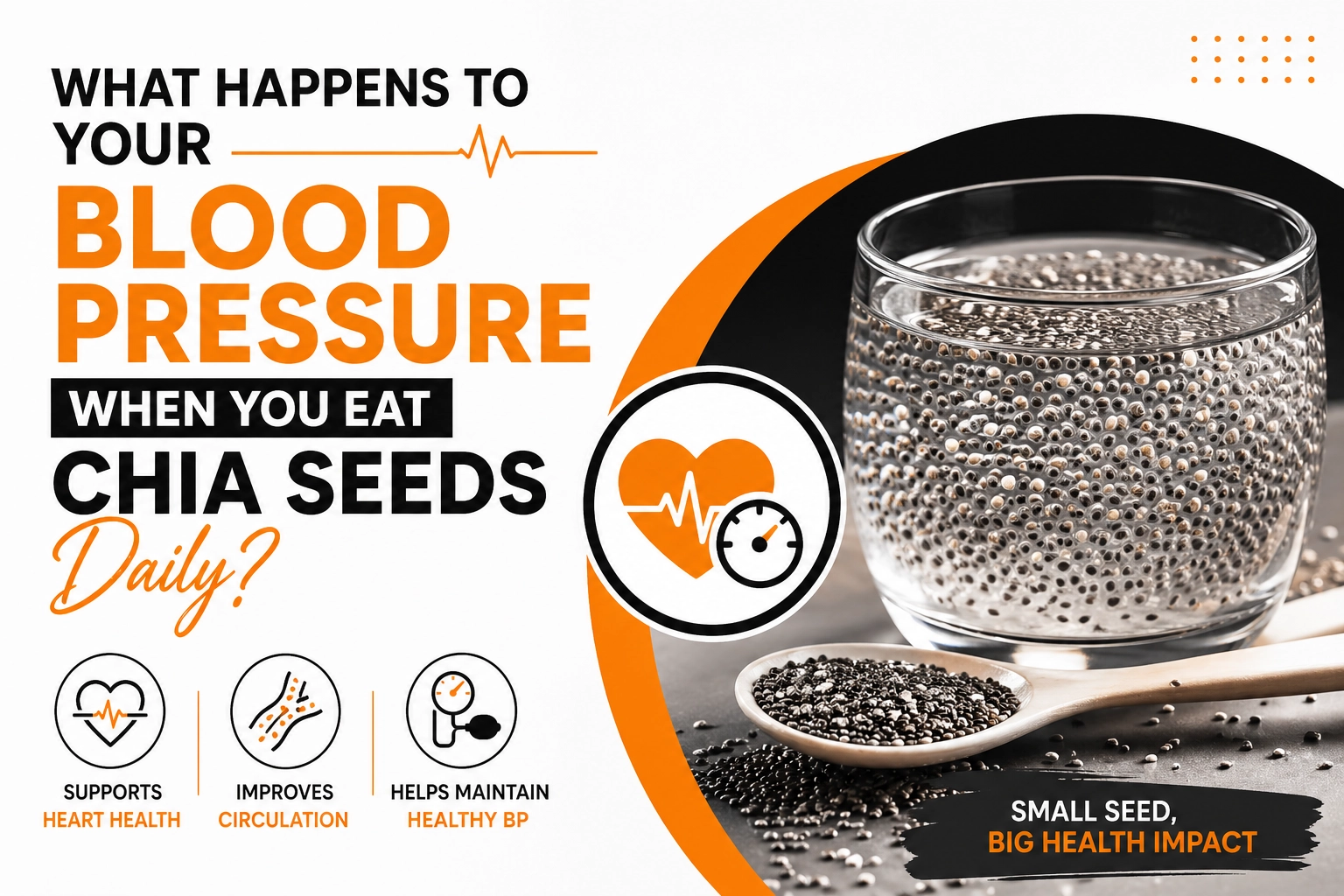
What Happens to Your Blood Pressure When You Eat Chia Seeds Daily? (2026 Complete Guide)
Quick Answer: Eating chia seeds daily can help support healthy blood pressure by improving blood vessel function, reducing inflammation, lowering cholesterol, and stabilizing blood sugar levels. However, results are gradual and depend heavily on consistency, lifestyle habits, and stress management.
In 2026, more people are actively searching for natural ways to lower blood pressure instead of relying only on medication. Queries like “chia seeds for hypertension,” “foods that reduce blood pressure,” and “daily chia seeds benefits” are trending globally.
But here’s the reality most articles miss: chia seeds help—but they are not a complete solution on their own.
This guide explains exactly what happens inside your body when you consume chia seeds daily, how long results take, what mistakes to avoid, and how to build a complete strategy for long-term blood pressure control.
Why Blood Pressure Is Increasing Rapidly in 2026
High blood pressure is no longer limited to older adults. It is now affecting people in their 20s and 30s due to modern lifestyle patterns.
- Chronic stress and anxiety
- Poor sleep cycles
- High sodium processed food intake
- Low physical activity
- Weight gain and metabolic imbalance
When left unmanaged, hypertension increases the risk of heart disease, stroke, kidney damage, and long-term fatigue. This is why natural dietary strategies like chia seeds are gaining attention worldwide.
Why Chia Seeds Are Effective for Blood Pressure
Chia seeds are one of the most nutrient-dense foods available today. They deliver multiple compounds that directly support cardiovascular function and vascular health.
- Omega-3 fatty acids – help reduce inflammation and support heart function
- Soluble fiber – supports cholesterol reduction and gut health
- Magnesium – helps relax blood vessels
- Potassium – balances sodium levels in the body
- Antioxidants – protect arteries from oxidative damage
Unlike single-nutrient foods, chia seeds work through multiple pathways, making them highly effective as part of a broader blood pressure strategy.
What Happens When You Eat Chia Seeds Daily?
1. Blood Vessels Relax
Magnesium plays a key role in relaxing vascular walls. This reduces resistance in arteries and improves circulation, which helps support lower blood pressure.
2. Inflammation Reduces
Chronic inflammation contributes significantly to hypertension. Omega-3 fatty acids in chia seeds help reduce inflammatory markers over time.
3. Cholesterol Improves
Soluble fiber binds to cholesterol particles and helps remove them from the body, reducing LDL levels and improving heart efficiency.
4. Blood Sugar Stabilizes
Chia seeds slow down digestion and carbohydrate absorption, preventing spikes in blood sugar that can indirectly affect blood pressure.
5. Weight Management Improves
High fiber content promotes fullness and reduces overeating, helping maintain a healthy weight—an important factor in blood pressure control.
How Long Do Chia Seeds Take to Lower Blood Pressure?
Direct Answer: Chia seeds work gradually and require consistent daily intake.
- Within 1 week – improved digestion and hydration
- 2–4 weeks – better metabolic balance
- 6–12 weeks – noticeable blood pressure support
Consistency matters far more than quantity.
Chia Seeds vs Other Natural Remedies
Many people compare chia seeds with other popular natural remedies for hypertension.
| Food | Primary Benefit | Effectiveness |
|---|---|---|
| Chia Seeds | Multi-system support | ✔✔✔ |
| Flax Seeds | Omega-3 + lignans | ✔✔ |
| Beetroot | Nitric oxide boost | ✔✔✔ |
| Garlic | Vasodilation | ✔✔ |
This shows that chia seeds are highly effective but work best when combined with other healthy habits.
Scientific Perspective on Chia Seeds
Research consistently supports the role of fiber and omega-3 fatty acids in cardiovascular health.
According to Harvard Health:
https://www.health.harvard.edu/heart-health
The American Heart Association also highlights diet as a key factor:
https://www.heart.org/en/health-topics/high-blood-pressure
Scientific evidence also supports the role of chia seeds in heart health. A detailed analysis published by Healthline highlights their benefits for overall cardiovascular function.
Best Way to Eat Chia Seeds for Maximum Benefit
- Consume 1–2 tablespoons daily
- Soak seeds in water for 20–30 minutes
- Add to smoothies, yogurt, or oatmeal
- Drink chia water in the morning
New to chia seeds? This guide on what chia seeds are and their nutritional profile explains everything in simple terms.
Common Mistakes That Reduce Results
- Eating dry seeds without soaking
- Overconsumption
- Ignoring hydration
- Expecting quick results
Do Chia Seeds Alone Solve High Blood Pressure?
Direct Answer: No, chia seeds alone are not enough to fully control blood pressure.
Blood pressure is influenced by multiple factors:
- Diet quality
- Stress levels
- Sleep quality
- Physical activity
This is why a combined approach is necessary.
Hidden Cause: Stress and Blood Pressure
Stress is one of the most overlooked causes of hypertension.
When stress increases, cortisol and adrenaline levels rise, causing blood vessels to tighten and heart rate to increase.
This directly raises blood pressure—even with a healthy diet.
Learn more here:
Sleep, Stress & Anxiety Neuro Architecture
How RelaxTagara Supports Blood Pressure Indirectly
RelaxTagara helps regulate stress, improve sleep, and support nervous system balance—critical factors in managing blood pressure.
- Ashwagandha – supports stress adaptation
- Jatamansi – calming effect
- Tagara – relaxation support
- Brahmi – cognitive balance
- Chamomile – soothing support
Complete Strategy for Blood Pressure Control
| Factor | Role |
|---|---|
| Chia Seeds | Physical heart health |
| Stress Management | Hormonal balance |
| Sleep | Recovery and regulation |
| Exercise | Circulation improvement |
Best Lifestyle Tips for Lowering Blood Pressure
- Reduce sodium intake
- Exercise regularly
- Stay hydrated
- Maintain consistent sleep
- Practice stress management
FAQs
Do chia seeds lower blood pressure quickly?
No, they work gradually over weeks.
What is the best time to eat chia seeds?
Morning or before meals.
Can stress increase blood pressure?
Yes, stress is a major contributor.
How much chia seeds should I eat daily?
1–2 tablespoons.
Are chia seeds safe long-term?
Yes, when consumed in moderation.
Quick Answers: Chia Seeds & Blood Pressure (Featured Snippet Section)
Do chia seeds lower blood pressure?
Yes, chia seeds support healthy blood pressure by improving blood vessel function, reducing inflammation, and helping regulate cholesterol levels.
How fast do chia seeds work?
Chia seeds typically show noticeable effects within 6–12 weeks when consumed consistently.
Can chia seeds replace blood pressure medication?
No, they are a supportive dietary addition and should not replace prescribed medical treatment.
What is the best way to consume chia seeds?
Soaked in water or added to meals daily for consistent results.
Additional Insight: Why Consistency Matters Most
Consistency remains the most important factor when using chia seeds for blood pressure support. Daily intake, combined with a balanced diet, stress control, and proper sleep, produces significantly better long-term cardiovascular outcomes compared to irregular or short-term use.
Final Verdict
Chia seeds are one of the most effective natural foods for supporting blood pressure—but they are not a standalone solution.
The most effective strategy combines:
- Nutrition (chia seeds)
- Stress control (RelaxTagara)
- Consistent lifestyle habits
This integrated approach delivers sustainable, long-term results.
Chia Seeds vs Flax Seeds vs Basil Seeds: Which Is Better for Blood Pressure?
One of the most common questions in 2026 is how chia seeds compare with other super seeds for managing blood pressure. While chia seeds are powerful, they are not the only option.
| Seed Type | Main Benefit | Blood Pressure Impact | Best Use |
|---|---|---|---|
| Chia Seeds | Omega-3 + fiber + minerals | ✔✔✔ | Daily long-term support |
| Flax Seeds | Lignans + omega-3 | ✔✔ | Hormonal + heart support |
| Basil Seeds | Cooling + digestion | ✔✔ | Hydration + gut health |
Key Insight: Chia seeds are more balanced for cardiovascular support, while flax and basil seeds provide additional complementary benefits. For best results, combining them occasionally can improve overall metabolic health.
How Chia Seeds Improve Blood Pressure at the Cellular Level
Most blogs stop at surface-level benefits, but understanding how chia seeds work at a deeper level explains why they are effective.
When consumed regularly, chia seeds influence multiple biological pathways:
- Endothelial function: Improves flexibility of blood vessels, allowing smoother blood flow
- Nitric oxide production: Helps arteries relax naturally
- Inflammatory markers: Reduces cytokine activity linked to hypertension
- Insulin sensitivity: Supports better glucose control, indirectly stabilizing blood pressure
This multi-layered effect is why chia seeds are considered a foundational food rather than a temporary remedy.
Real-Life Scenarios: When Chia Seeds Help (and When They Don’t)
Understanding real-world use cases helps set realistic expectations.
Scenario 1: Lifestyle-Induced High Blood Pressure
If your blood pressure is elevated due to poor diet, low activity, and mild weight gain, chia seeds can significantly improve outcomes when used consistently.
Scenario 2: Stress-Induced Hypertension
If stress is the primary trigger, chia seeds alone may not be enough. In this case, calming the nervous system becomes critical.
Scenario 3: Chronic Hypertension
For long-term or severe cases, chia seeds act as a supportive addition but should not replace medical treatment.
Conclusion: Chia seeds work best when aligned with the root cause of your blood pressure issue.
Daily Routine to Maximize Blood Pressure Control Naturally
To get the best results from chia seeds, they must be part of a structured daily routine.
- Morning: Chia water on empty stomach
- Afternoon: Balanced meal with low sodium
- Evening: Light physical activity or walking
- Night: Stress reduction and quality sleep
This routine improves consistency, which is the most important factor for long-term blood pressure control.
Why Most People Fail with Natural Remedies
Despite using healthy foods like chia seeds, many people fail to see results. The reason is not the food—it’s the approach.
- Inconsistency in daily intake
- Ignoring stress and sleep quality
- Expecting fast results from slow-acting foods
- Relying on a single solution instead of a system
Fixing these gaps dramatically improves outcomes.
Advanced Strategy: Nutrition + Nervous System Balance
Modern research clearly shows that blood pressure is influenced by both physical and neurological factors.
This means the most effective strategy combines:
- Nutrition: Chia seeds for heart health
- Stress control: Nervous system regulation
- Sleep optimization: Recovery and hormonal balance
This integrated approach is far more effective than relying on diet alone.
Final Expert Conclusion (2026 Perspective)
Chia seeds remain one of the most reliable natural foods for supporting blood pressure, but their true power lies in consistency and combination.
They are not a shortcut—but they are a strong foundation.
When combined with stress management, proper sleep, and a balanced lifestyle, they contribute to sustainable cardiovascular health.
This is the strategy that works in 2026—and beyond.




[…] example, exploring the daily effects of chia seeds on blood pressure reveals that the high concentration of chlorogenic acid and potassium in chia perfectly complements […]