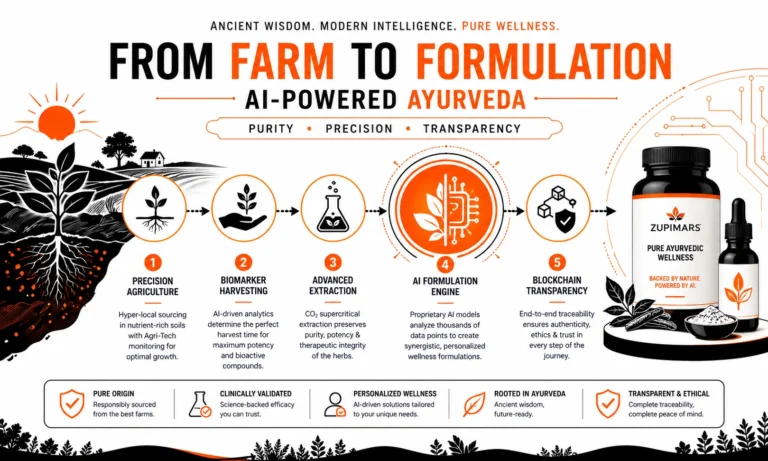


In This Transformation Guide:
In the fast-paced world of 2025, many people feel burned out and disconnected. They often ask: What is Ayurveda, and can this ancient wisdom really solve modern stress? The answer is a definitive yes. What is Ayurveda? It is the “Science of Life” (Ayur = Life, Veda = Knowledge), a 5,000-year-old system designed to synchronize your biology with the natural rhythms of the earth.
This guide goes beyond the basics. We explore what is Ayurveda in the context of modern epigenetics, showing you how to transform your health by addressing the root cause rather than just treating symptoms.
The Core Philosophy: Balance over Band-Aids
At its core, this system is about Homeostasis. Modern medicine often focuses on acute care, fixing problems after they arise. In contrast, what is Ayurveda focused on? It focuses on Vitality (Ojas) and resilience.
It teaches that health is not just the absence of disease; it is a vibrant state of balance between body, mind, and consciousness. By understanding your unique constitution, you can navigate modern life without burnout.
Understanding the Three Doshas: Your Metabolic Blueprint
You cannot answer “what is Ayurveda” without understanding the Tridosha theory. These are the three bio-energies that govern every function in your body, from hormonal release to digestion.
- Vata (Air + Ether): The Energy of Movement. It governs the nervous system, breathing, and circulation. When out of balance, it leads to anxiety and insomnia.
- Pitta (Fire + Water): The Energy of Transformation. It controls digestion, metabolism, and enzymes. Excess Pitta leads to inflammation and acid reflux.
- Kapha (Earth + Water): The Energy of Structure. It provides lubrication, stability, and immunity. Imbalance results in lethargy and weight gain.
Every person has a unique mix of these energies (Prakriti). Disease happens when your lifestyle pushes you away from this baseline (Vikriti).
Longevity & Preventive Health: The “Original Biohack”
Today’s bio-hackers are essentially rediscovering the principles of this ancient science. What is Ayurveda if not the original manual for longevity? It emphasizes Swaasthya (health preservation) through proactive habits.
By aligning your lifestyle with the sun and moon cycles—known today as Chronobiology—you can extend your healthspan significantly. This includes seasonal detoxes (Panchakarma) and daily adjustments to diet.
Dinacharya: The Ultimate Circadian Alignment Routine
One of the most practical applications is Dinacharya (Daily Routine). These simple rituals sync your Master Clock (Suprachiasmatic Nucleus) to reduce stress.
- Waking Early (Brahma Muhurta): Waking 45 minutes before sunrise aligns you with nature’s Vata energy, boosting cognitive sharpness for the day.
- Tongue Scraping (Jihwa Prakshalana): This removes Ama (toxins) that accumulate overnight. It is a cornerstone of oral hygiene.
- Self-Massage (Abhyanga): Massaging the body with warm oil increases oxytocin and lowers cortisol levels, grounding the nervous system.
Ayurvedic Diet: Eating for Your Agni
In the context of nutrition, what is Ayurveda? It is the understanding that “You are not what you eat; you are what you digest.” Your Agni (Digestive Fire) determines your nutrient absorption.
| Dosha Type | Dietary Needs | Key Foods |
|---|---|---|
| Vata | Warming, grounding, cooked. | Soups, stews, root vegetables, ghee. |
| Pitta | Cooling, refreshing, non-spicy. | Sweet fruits, leafy greens, coconut. |
| Kapha | Light, dry, stimulating. | Spices (ginger, turmeric), legumes. |
The Ayurvedic Toolkit: Herbs & Mind-Body Synergy
When imbalances happen, nature provides relief. Here are the tools we recommend:
Bio-Active Herbs
- Ashwagandha: The premier adaptogen for stress resilience.
- Turmeric (Curcumin): A systemic anti-inflammatory powerhouse.
- Triphala: A prebiotic blend for gut-brain axis support.
Scientific References (Verified Sources)
FAQ: What is Ayurveda in Practice?
What is Ayurveda primarily used for?
What is Ayurveda used for? It is primarily used for preventive health, chronic disease management, and longevity through diet, lifestyle, and herbal protocols.
Is Ayurveda effective and scientific?
Yes. Modern research validates many principles, specifically the efficacy of adaptogens like Ashwagandha and the link between circadian rhythms and health.